
Cake - Learn English & Korean
Cake Corp.Education
4.710.73K Reviews
- Version
- 6.7.0
- Installs
- 100.00M
- Age Rating
- Teen
Screenshots
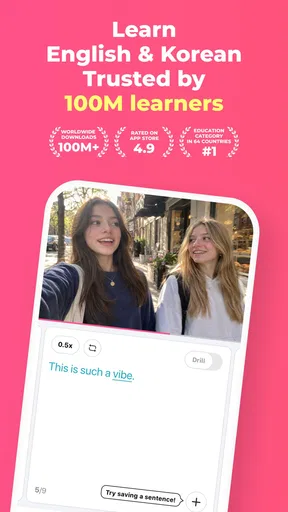
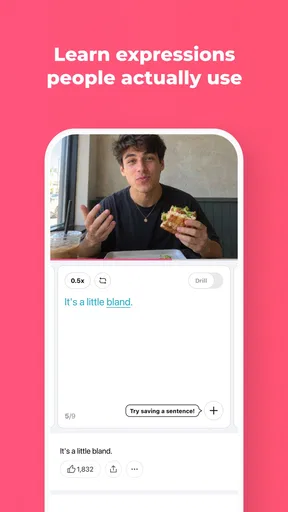
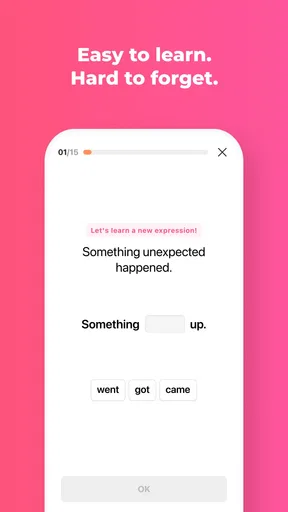
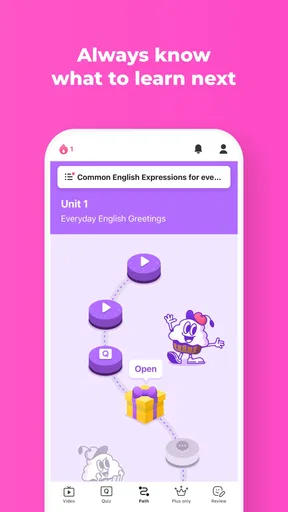
Our Review of Cake - Learn English & Korean
 Analysis by Appyee
I judge a language app by what it helps me do after I put my phone down: catch a familiar phrase, understand a short exchange, or feel less hesitant about speaking. Cake - Learn English & Korean is most appealing when that practical, everyday goal matters more than a formal course plan. It is an education app from Cake Corp., built around learning through short video and audio material rather than a textbook-first routine.
That distinction makes it easier to decide whether it suits you. If you enjoy hearing a phrase in context and trying it aloud, Cake offers a natural starting point. If you need a carefully sequenced grammar curriculum, extensive written exercises, or a full substitute for a teacher, I would treat it as a supplement rather than your only study method.
Choosing a learning style that you will actually use
My first test for any study app is whether its format fits the time I have available. Cake’s short lessons are a good match for a break, a quiet moment at home, or a commute when watching a clip is practical. The format lowers the barrier to beginning: I can work with one small piece of language instead of committing to a long lesson when I am tired.
There is a trade-off, though. Short sessions make practice approachable, but they do not automatically add up to a balanced course. I would pair them with a separate way to review grammar, build vocabulary systematically, or get feedback on longer conversations if those are important goals. Cake is strongest when it makes regular contact with spoken language easier, not when I expect every part of language learning to happen in one place.
Why the video-first approach can work
Learning from clips gives a phrase a voice, rhythm, and situation. That context can help me remember how an expression feels in use, rather than only recognizing its written meaning. English and Korean learners who are curious about everyday speech, entertainment, or conversational phrasing may find that especially motivating.
A useful way to study is to watch once for the general meaning, then replay a short section and focus on one expression. I would listen for where the speaker joins words, which syllables receive emphasis, and how the tone changes the meaning. Trying to imitate the entire clip at once can be frustrating; choosing one manageable phrase gives me something specific to practice and repeat later.
What to expect from practice and progress
The app’s speaking exercises invite learners to repeat phrases and record their own voice for comparison with native-speaker audio. I like this as a low-pressure way to notice differences in pronunciation and intonation. It can help me identify a phrase that needs another attempt, but I would not mistake an exercise response for a complete assessment of conversational ability. Being understood in a spontaneous exchange involves listening, choosing words, and responding, too.
For that reason, I would use the speaking practice as a rehearsal rather than a verdict. After repeating a line, I might say it again without looking, then make a small variation of my own. That extra step helps test whether I have learned the phrase or only copied its sound moments before. It is also a practical way to turn passive viewing into active recall.
Matching lessons to your interests
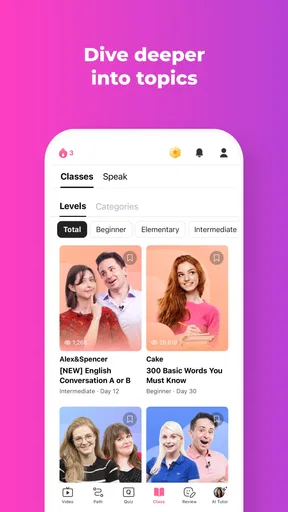
Choosing topics that appeal to me can make it easier to return, especially when a subject gives me a reason to learn the phrase. A learner preparing for travel may prefer practical situations; someone drawn to Korean entertainment may be more willing to revisit language connected with K-pop or dramas. Interest is a real advantage here, but it is worth balancing enjoyable material with expressions that fit daily communication.
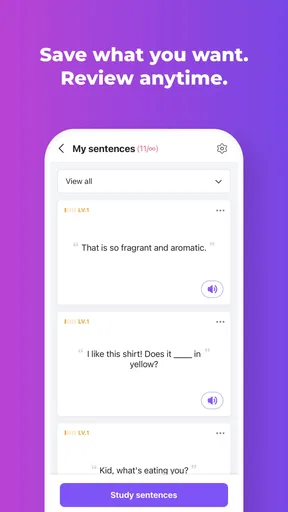
I would not assume that recognizing a line from a show means I can use it appropriately in every setting. Tone, familiarity, and context matter, and a catchy phrase can be less useful than a simple question I need for work or travel. I’d save or revisit expressions that seem genuinely useful, then check whether I can recall them a day later. That habit makes the entertainment-led format more purposeful.
Motivation without turning practice into a chore
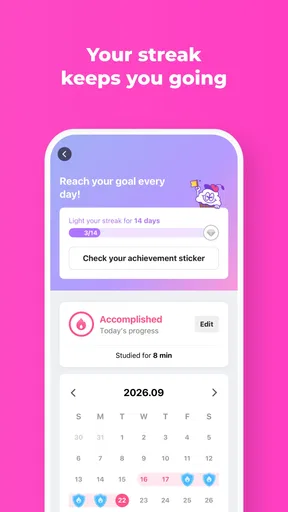
Daily challenges can give me a small prompt to practice and help create a routine. I find that a modest target is more sustainable than trying to make up for missed days with a marathon session. A few attentive minutes, followed by a quick attempt to recall one phrase later, can be a sensible rhythm for a busy learner.
Still, reminders and streak-like motivation are not the same as learning. If a challenge has me tapping through material without listening closely, I would slow down and repeat a single lesson instead. The useful measure is whether I can recognize or produce something afterward, not simply whether I opened the app. Treating the daily task as a nudge rather than a score keeps the routine flexible.
Using Cake alongside other learning tools
Compared with flashcard-focused study, Cake gives more attention to how speech sounds in context; flashcards may be more convenient when I want to drill a planned set of words quickly. Compared with a structured course, Cake can feel lighter and easier to dip into, while a course may be a better fit for someone who wants a clear sequence through grammar and skills. These approaches solve different problems, so I would choose based on what currently holds me back.
For example, if I can read a phrase but struggle to understand it when spoken, the video-and-audio format is a useful change of emphasis. If I keep forgetting basic words or need a detailed explanation of sentence structure, I would add a review tool or course rather than expecting clips to fill that gap. A tutor or language exchange can also provide the unpredictable back-and-forth that recorded practice cannot replace.
Switching to Cake does not require abandoning other methods. I would keep whichever routine is already helping and use Cake for a distinct purpose: listening to natural speech and practicing short spoken lines. If I later decide it is not engaging me, the cost is mainly the time spent establishing a habit, not a need to rebuild an entire study system. That makes it a relatively easy format to test alongside existing study.
Everyday use and practical limits
Imagine waiting for a bus with a few minutes free. I could open a short lesson, listen once without pausing, and choose one phrase to repeat quietly or save for a later practice session. On the ride home, I could try to recall it before replaying the clip. This is more realistic than planning a long study block on a busy day, and it gives the short format a clear purpose.
There are situations where I would skip video practice: when I cannot listen comfortably, when my connection or surroundings make audio inconvenient, or when I need a deep explanation rather than an example. I would also be cautious about using entertainment-based phrases as ready-made scripts for formal conversations. The app can help me hear how language is spoken, but I still need judgment about audience and context.
Another practical tip is to avoid collecting too many expressions at once. I would choose one or two that I can imagine using, repeat them until the sound feels familiar, and then test recall later without replaying the lesson immediately. This keeps a large stream of appealing clips from becoming a pile of half-remembered phrases. It also makes it easier to notice whether the app’s format is genuinely improving my listening and speaking confidence.
Who should try it—and who may prefer something else
I would recommend Cake to learners who want an approachable way to hear spoken English or Korean, enjoy short media-based lessons, and are willing to repeat phrases aloud. It may be particularly inviting for someone who has found formal study too heavy to maintain, or for a learner who wants a more lively listening habit between lessons.
I would look elsewhere, or pair it with another resource, if I needed a rigorous progression, extensive writing correction, detailed grammar teaching, or regular live conversation. Beginners can benefit from contextual examples, but may need extra explanations when a clip contains unfamiliar vocabulary or a construction they have not studied. More advanced learners may enjoy listening practice while still needing longer conversations and more demanding material to keep progressing.
Access, age, and ongoing costs
Cake is free to download, with in-app purchases ranging from $0.99 to $119.99 per item. I would begin with the free experience and decide whether the practice suits me before considering a purchase. The range means it is worth checking the price and terms shown for a specific item in the app before confirming anything, especially if I am comparing it with a free study routine.
The app is rated Teen. That is useful context for families deciding whether its material and learning environment are a fit, but I would still encourage a parent or guardian to review how a young learner uses any app and what content they encounter. Cake has an average rating of 4.7 from around 1.2 million ratings, and it has been installed over 100 million times. Those figures suggest broad adoption, but they do not tell me whether its particular learning style will suit an individual.
It was released on March 22, 2018, and version 6.7.0 supports Android 7.0 and later. Those details matter if I am checking compatibility on an older device; I would confirm the current device requirements before planning a regular study routine around it. The large audience may make it feel established, but my decision would still come down to whether I enjoy learning through its short clips and can turn them into consistent practice.
A grounded recommendation
When I first opened Cake, I was immediately impressed by its sleek and intuitive design. The app's interface is colorful yet minimalistic, which makes navigation a breeze. You can tell a lot of thought went into making it user-friendly, and trust me, it pays off. Everything is laid out in a way that even the least tech-savvy person could easily dive into their language journey without any hiccups.
The app is designed to help you learn through a combination of video clips, audio lessons, and interactive quizzes. The videos are sourced from real-life situations, TV shows, and movies, which makes the learning experience feel more authentic and relatable. It's like having a language tutor in your pocket, but way cooler.
Learning Made Fun
What sets Cake apart from other language apps is its focus on making learning enjoyable. Instead of drilling vocabulary or grammar rules into your head, it uses engaging content and interactive features. You get to watch clips, repeat phrases, and even record your own voice to compare it with native speakers. It's like karaoke, but you’re also learning a language!
There's something really satisfying about being able to mimic the accent and intonation of native speakers. Plus, the app gives you instant feedback, so you know exactly where you stand and what needs improvement. It’s like having a language buddy who’s always there to help you out.
Tailored to Your Level
One of the standout features is the app's ability to tailor content to your skill level. Whether you're a complete newbie or looking to polish your fluency, Cake has got you covered. You can choose lessons based on topics that interest you, like travel, culture, or even slang. This personalized approach keeps things interesting and ensures that you’re always learning something relevant to your needs.
Another cool feature is the daily challenges. These bite-sized tasks encourage you to log in every day and practice a little, which helps in building a consistent habit. It's like having a gentle reminder to keep pushing forward, and honestly, it works like a charm.
Community and Support
The community aspect of Cake is another huge plus. You can interact with other learners, share progress, and even compete in friendly challenges. This social feature adds a layer of motivation that’s hard to find in other language apps. And if you ever hit a snag, the app provides excellent support with a comprehensive FAQ and helpful tips.
Not to mention, the app is constantly being updated with new content and features. The developers are super responsive to user feedback, which shows they're committed to providing the best learning experience possible.
Final Thoughts
In a nutshell, Cake - Learn English & Korean is a fantastic app for anyone looking to learn a new language in a fun and engaging way. It’s perfect for those who want to ditch the traditional methods and embrace a more modern approach to language learning. Whether you're commuting, chilling at home, or just have a few minutes to spare, this app makes it easy to squeeze in some learning time.
So, if you’re ready to embark on a language adventure, I highly recommend giving Cake a try. You’ll be speaking like a local in no time, and who knows, you might even find yourself enjoying the process more than you ever thought possible!
Verdict
Strengths of Cake - Learn English & Korean
- Interactive video lessons enhance learning.
- Daily speaking exercises improve fluency.
- User-friendly interface for easy navigation.
- Wide range of topics keeps it engaging.
- Offers offline access for convenience.
Limitations of Cake - Learn English & Korean
- Limited languages beyond English and Korean.
- In-app purchases can be expensive.
- Some lessons may feel repetitive.
- Requires consistent internet for full access.
- Ads can be intrusive in free version.
Similar Picks in This Category
View All
Duolingo: Language Lessons
Duolingo4.7

Google Classroom
Google LLC2.8

Unacademy: Learn & Crack Exams
Unacademy3.2

Bible App for Kids
Life.Church4.4

Brainly: AI Homework Helper
Brainly4.5

Photomath
Google LLC4.3
Frequently Asked Questions
What features does Cake offer for language learning?
Cake provides a variety of features to enhance language learning, including daily conversation practice, interactive speaking exercises, and video-based lessons. It uses real-life scenarios to improve listening and speaking skills. The app also offers personalized quizzes to track progress and reinforce learning, making it suitable for both beginners and advanced learners.
Is Cake suitable for beginners in English and Korean?
Yes, Cake is designed to accommodate all proficiency levels, including beginners. It offers structured lessons that start from basic vocabulary and simple phrases. The app gradually progresses to more complex sentences and conversations, ensuring a smooth learning curve. Users can set their own pace, making it an ideal choice for newcomers.
Does Cake require a subscription for full access?
Cake offers a free version with access to many of its educational features. However, for an ad-free experience and access to premium content, a subscription is available. The premium version provides additional lessons, advanced quizzes, and personalized feedback, which can significantly enhance the learning experience.
How effective is Cake for improving speaking skills?
Cake is highly effective for improving speaking skills, as it emphasizes interactive speaking exercises. Users can practice pronunciation with instant feedback, engage in simulated conversations, and utilize speech recognition technology to refine their accents. This focus on speaking makes it an excellent tool for gaining confidence in real-world communication.
Can Cake be used offline?
Cake allows users to download lessons and practice materials for offline use, making it convenient for learning on the go. However, some features, like video lessons and interactive quizzes, may require an internet connection. This offline capability ensures that learners can continue their studies without interruption, even without access to Wi-Fi.
